
Some Personal Black History
Moving on up

Most of you know that I am descended from two men on both sides who were famous in certain circles: my father, Kenyan journalist Philip Ochieng, and my maternal grandfather, entertainer John E. Thomas (scroll down for photo). However, there’s another man in my family who is less known, but achieved a milestone of his own.
His name was James W. Kirk. This was fun to know after Star Trek became a thing in the 60s, but everyone called him Walter. He was my mom‘s stepfather.
This story was told to me by my aunt, Cheryl Kirk Jackson who passed away back in 2023, so I am passing this lore along via memory.
Grandpa Walter was born in Alabama and had a college degree in finance probably from Grambling University. Later, he moved to Chicago, which is where he and my grandmother met.
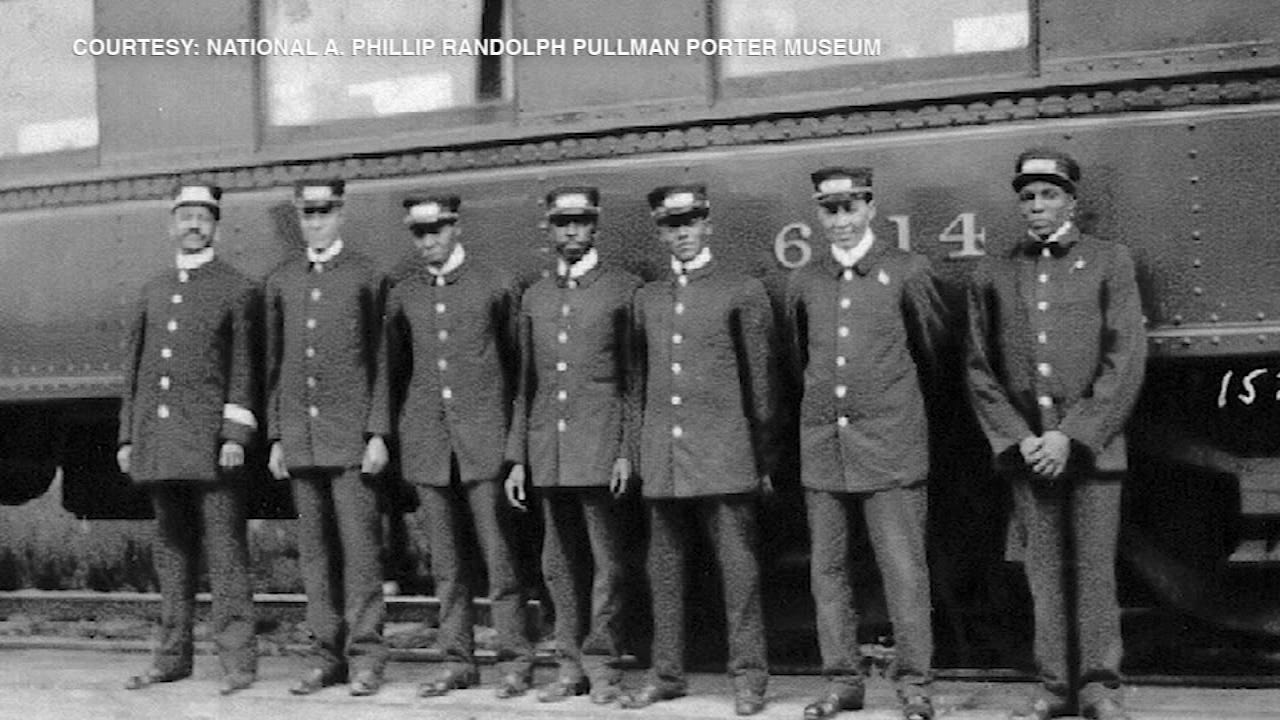
Back in the days following his graduation, there were few if any places in which a black person could use such a degree to make a living. So Grandpa Walter became a Pullman Porter.
Here’s a bit of Pullman Porter history from Wikipedia.
Pullman porters were men hired to work for the railroads as porters on sleeping cars.Starting shortly after the American Civil War, George Pullman sought out former slaves to work on his sleeper cars. Their job was to carry passengers’ baggage, shine shoes, set up and maintain the sleeping berths, and serve passengers. Pullman porters served American railroads from the late 1860s until the Pullman Company ceased its United States operations on December 31, 1968, though some sleeping-car porters continued working on cars operated by the railroads themselves and, beginning in 1971, Amtrak. The Pullman Company also operated sleeping cars in Mexico from the 1880s until November 13, 1970. The term “porter” has been superseded in modern American usage by “sleeping car attendant”, with the former term being considered “somewhat derogatory”.
Until the 1960s, Pullman porters in the United States were almost exclusively black, and have been widely credited with contributing to the development of the black middle class in the United States. Under the leadership of A. Philip Randolph, Pullman porters formed the first all-black union, the Brotherhood of Sleeping Car Porters, in 1925. The union was instrumental in the advancement of the Civil Rights Movement.
Pullman Porters were chosen for being tall, good-looking and well-spoken; Grandpa was all of those things. His Alabama cadence was mixed with proper pronunciation which I bet meshed together over time.
According to Aunt Cheryl, Grandpa Walter worked a regular route and, therefore, became familiar with his charges - mostly white men commuting to and from work in Chicago. One of them was a man who was an executive with Schlitz Brewing Company’s location in Chicago. The two men often discussed financial issues and the news of the day. Apparently, the man realized that my grandfather was well-educated and smart. And that’s how James W. Kirk became one of the first black executives in the Schlitz organization. I think this happened in the late 50s or the early 60s.
My grandparents lived on Chicago’s South Side which, back then, was a primarily black middle- to upper-class neighborhood. (Side note: I grew up in Los Angeles and was shocked at how strictly segregated Chicago still was even into the 80s. On one side of a freeway an expressway overpass, all the pedestrians were black. Then, on the other side, all the pedestrians were white.)
It is certain that Grandpa had a good salary from Schlitz. But it was well-known that Pullman Porters could become financially stable and successful through generous benefactors, so that job was highly sought after by black American men of the day. In short, my grandparents had a few bucks.
I like stories like these and I’m grateful to have been related to a person who used his personal gifts to advance himself and his family while being in the right place at the right time.
By the way, Don Surber‘s excellent piece on hidden black history jogged my memory. You should read it.
Kirk 😊